Key Takeaways:
- Real Madrid have requested financial compensation from Arsenal, Chelsea, Liverpool, Manchester City, Manchester United, and Tottenham for their roles in the failed European Super League project
- The Spanish club reportedly holds the Premier League ‘Big Six’ responsible for start-up expenses totalling €80 million (£67.3m)
- Following Barcelona’s formal withdrawal in February, Real Madrid stand as the last remaining advocate for the Super League concept
Financial Compensation Sought From English Clubs
Real Madrid have, according to a report by The Athletic, formally sought financial restitution from the Premier League’s ‘Big Six’ in the aftermath of the European Super League’s collapse. The Madrid club contends that the English teams who originally signed the Super League Company agreement in April 2021 remain liable for a substantial share of the initiative’s substantial start-up costs. These expenses reportedly reach €80 million (£67.3m).
Real Madrid want the six Premier League clubs that signed up to the European Super League to pay a share of the initial costs of the abandoned project.
Multiple sources said the Spanish club believe Arsenal, Chelsea, Liverpool, Manchester City, #mufc and Tottenham should still be liable for the setup costs of the plan, despite subsequently pulling out.
One source said these costs could be as high as €80m in total. Madrid, alongside domestic rivals Barcelona and Juventus of Italy, have so far shared promotional costs associated with the ESL, plans for which were announced in April 2021 [@TheAthleticFC]
— utdreport (@utdreport) October 20, 2026
Clubs Involved and Super League Timeline
Arsenal, Chelsea, Liverpool, Manchester City, Manchester United, and Tottenham Hotspur were among the initial participants in the 12-club breakaway, alongside Real Madrid. As other members withdrew in rapid succession, Madrid have become the sole founding club still actively endorsing the controversial project.
Leadership Changes and Project Evolution
Real Madrid are reportedly in the final stages of appointing Bernd Reichart as their new head of business operations. Reichart has previous experience as the CEO of A22, the Madrid management group established to oversee the Super League’s development. Throughout A22’s stewardship, the competition proposals have changed dramatically: a December 2023 revision suggested an open system featuring 64 teams across three divisions, while a subsequent update outlined a 96-team format structured in four tiers.
Perez’s Unyielding Stance
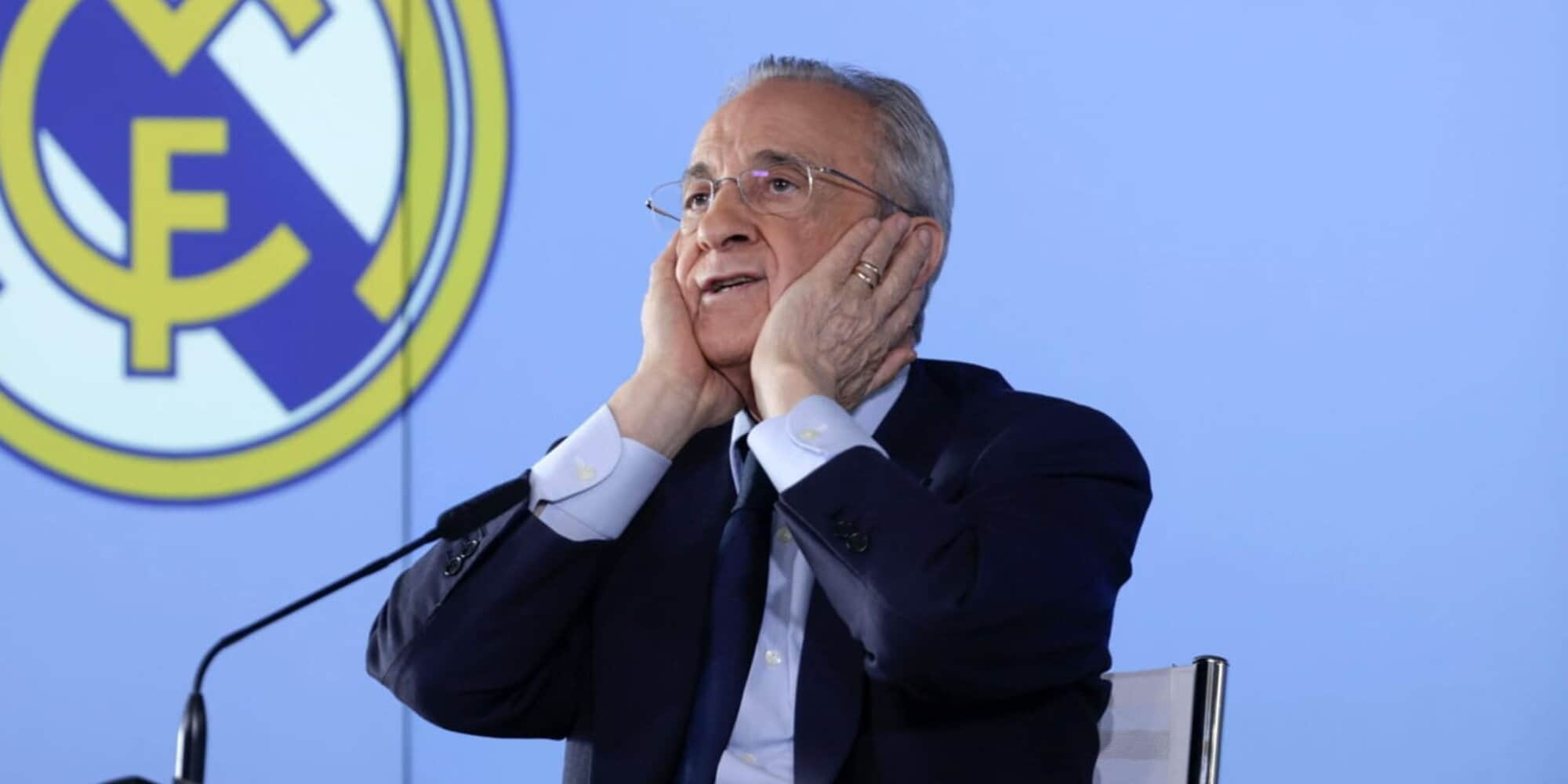
The club’s current financial demands mirror the determined approach of President Florentino Perez, who remained steadfast even as the Premier League clubs withdrew en masse. “I’m not going to take my time to explain what a binding contract is here,” Perez stated. “But the fact is, the clubs can’t leave.” He continued to champion Real Madrid’s position even after Barcelona, Juventus, AC Milan, Inter, and Atletico Madrid departed: “We have had our right to create our own competitions recognised. We can also claim multimillion euro damages for UEFA’s conduct. We have two rights: to be compensated for our losses, and to arrange a competition in the future, and we will tirelessly pursue both.”
Madrid Stand Alone in Europe
With Barcelona’s formal exit in February, Real Madrid now stand in isolation as the sole advocate for the Super League. The question remains how, or even if, the Premier League’s leading clubs will respond to Madrid’s €80 million claim. As these English sides remain firmly aligned with UEFA and traditional European competitions, Madrid’s fight for compensation ensures the debate around Super League ambitions persists at the highest levels of European football.